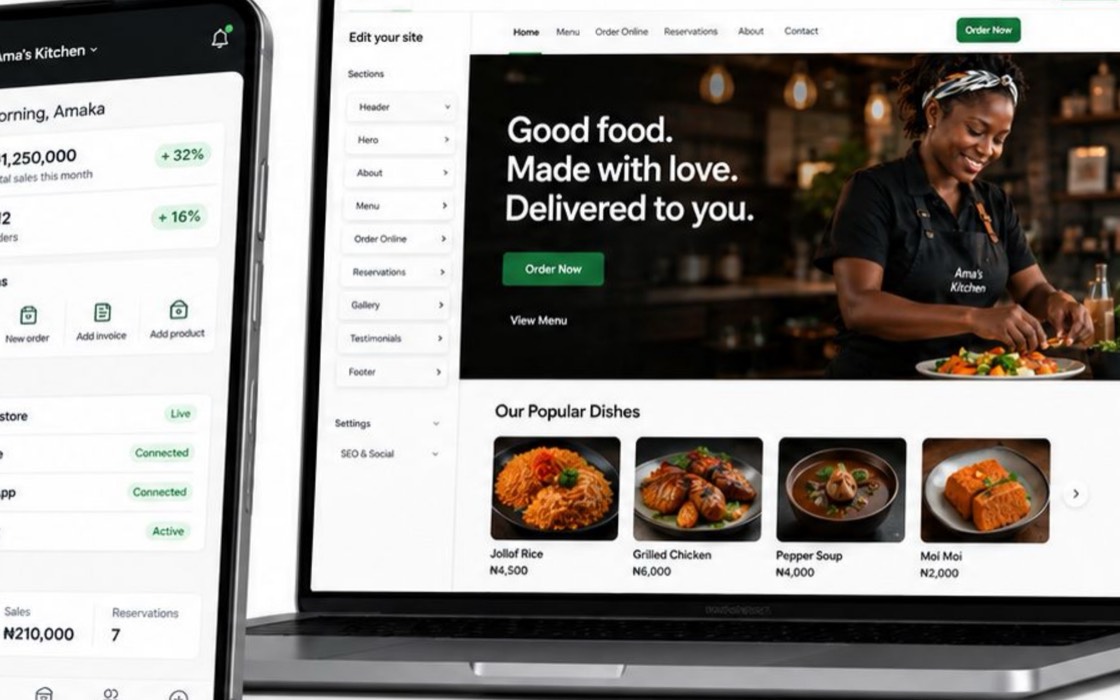


Commerce belongs inside the institution
Institutions were never going to build the commerce layer themselves. Not for want of money, but because commerce software is a decade of accumulated detail about catalogues, carts, refunds, tills and payouts,* and a decade is not a line item anyone can approve.
About Box
The account stopped being the relationship. A merchant’s real operating system is wherever their catalogue and orders live, and for most merchants that is nowhere near the institution that holds their money.
Our mission is to put commerce back inside the institution that already holds the account, as infrastructure it operates rather than a platform it refers merchants to.
Rebuilding it in-house does not work. Every programme that tries reaches the same place: a two-year roadmap, a team hired for a different problem, and a product obsolete on arrival. So we made it licensable.
* Roughly fifty engine packages, each owning one domain of that detail.
50+
engine packages, each owning one domain
3
licence tiers, strictly nested
1
command upgrades an entire estate
0%
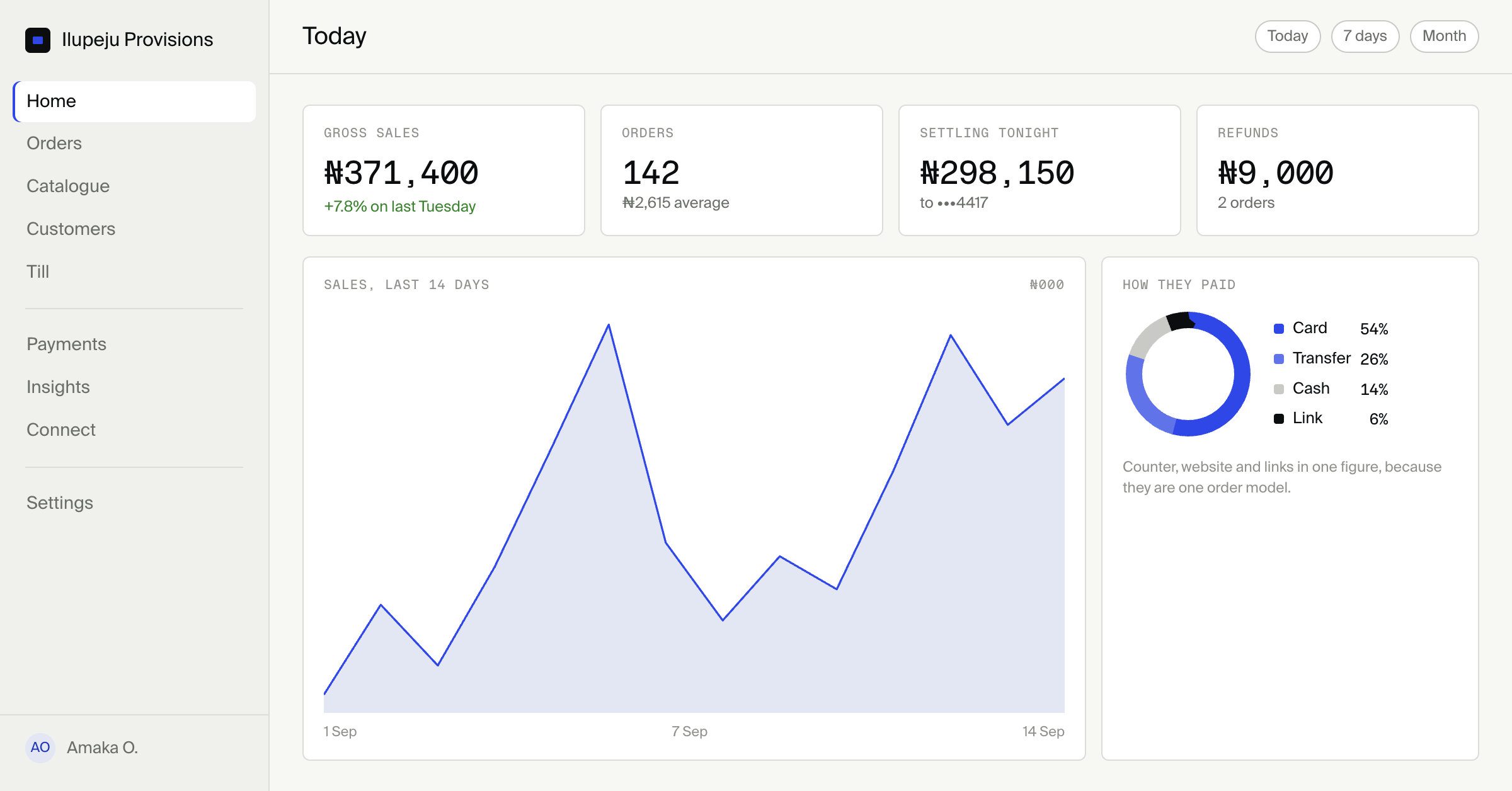
of what your merchants sell comes to us


What we hold to
Composed, not shipped whole
A licence names a tier; the engine is built from exactly those packages.
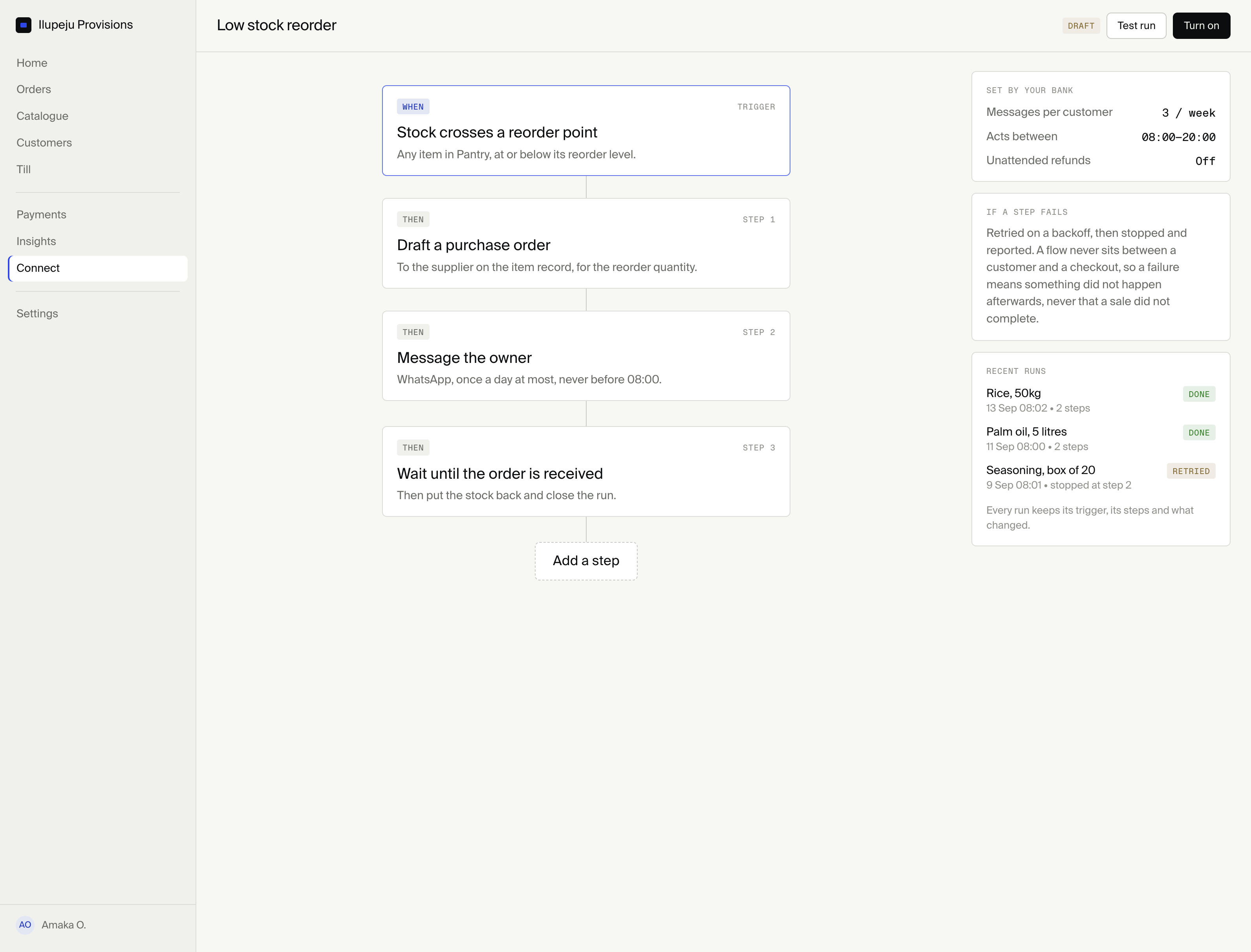
Absent, not disabled
A package outside your tier is not installed, so its routes do not exist.
Self-hosted by default
If an institution cannot run it in their own environment, it is not infrastructure.
Invisible on purpose
Merchants see their institution, not us, down to the domain.
Upgrades only add
Tiers are strictly nested, so growing never removes what a merchant relied on.
An endless evolution
Box launched merchant-first in March 2026 and spent two months selling shops, tills and consoles directly to businesses. That was not a false start. It is the reason the rest of this works.
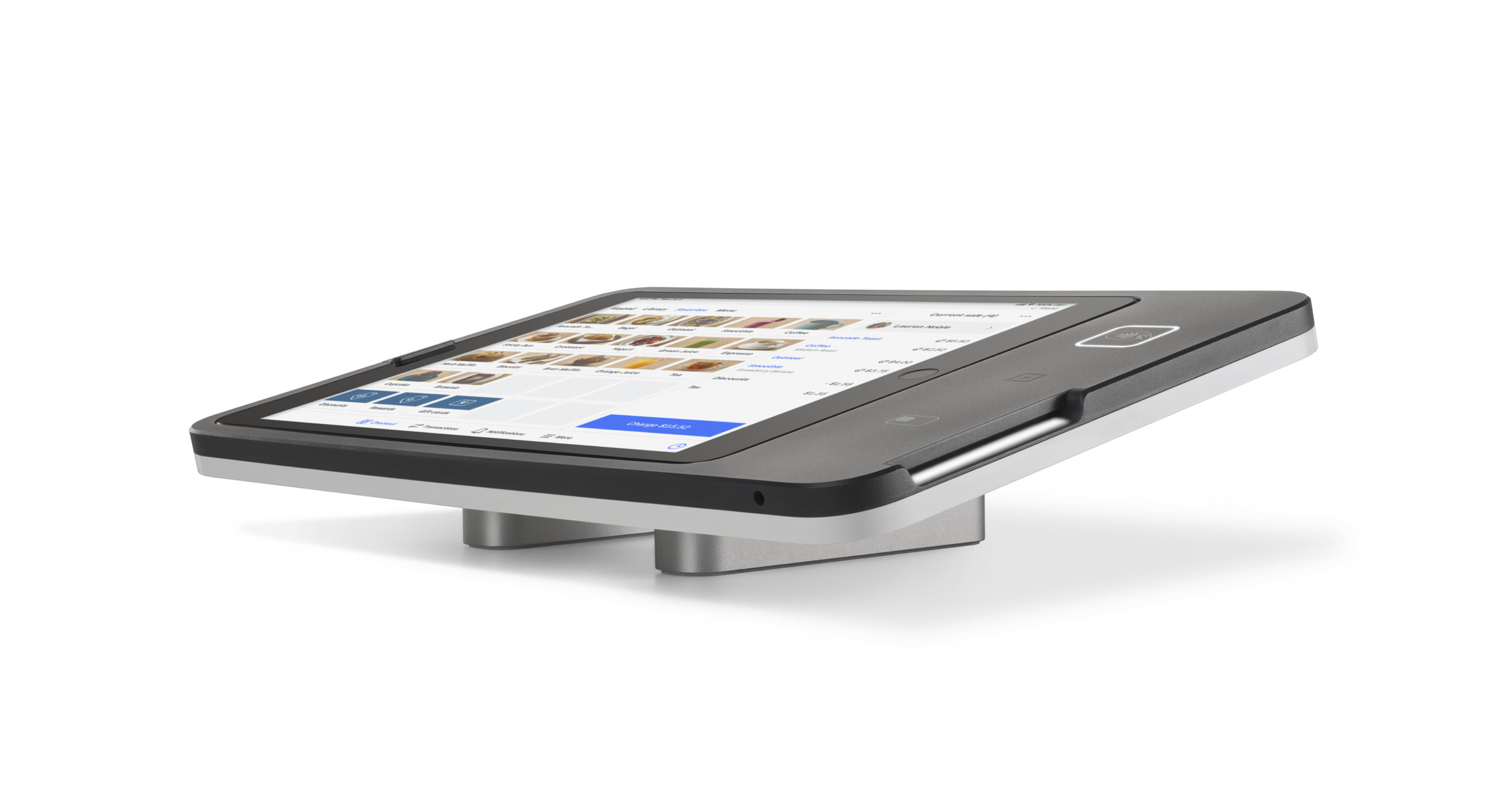
We learned what a merchant actually opens. Not what a strategy deck says they need. Which screen they check first, what breaks on a bad network, and which features they never touched once.
Then we noticed whose problem it was. Every merchant already banked somewhere, and that institution could see the money and nothing else. The gap was not the merchant’s. It belonged to the bank.
So the product turned in May. One product became a deployment an institution runs: packages, tiers, ports, and a console generated per merchant. Rebuilt in June, first licence signed in July, and tills on real counters by August.

Helping institutions do more
Each of these would have been easier the other way, and each is the reason an institution can say yes.
Self-hosted, not a tenancy. A multi-tenant platform is cheaper to build, cheaper to run and far easier to support. It is also unsellable to an institution that cannot let merchant records leave its estate, so we did the expensive one.
Installed, not flagged. Feature flags are a morning’s work. Resolving entitlement once at install, so a capability you did not buy is absent from the build rather than switched off inside it, is a build system. It is also the only version a reviewer can verify.
No cut of the sale. Taking a share of every transaction is the most reliable business model in this category. It also makes us a competitor to the institution we are selling to, so we do not have it.

Evidence before recognition.
Recognition has to follow evidence
Box does not publish awards or scale claims it cannot substantiate. The milestones we can show are product releases, a signed first licence and tills operating in the field.
Product. A package-based commerce engine and generated merchant surfaces.
Institution. A first licensed deployment with OlivePay.
Operations. Real tills and merchant workflows informing the next release.
All change‑makers welcome
The work spans distributed systems, commerce operations, product design and institutional partnerships. We value people who can make a hard boundary clear and a complicated workflow usable.
The future of institutional commerce starts with you.
If you hold merchant relationships and want to run the software behind them, start the conversation. OlivePay had it first.